
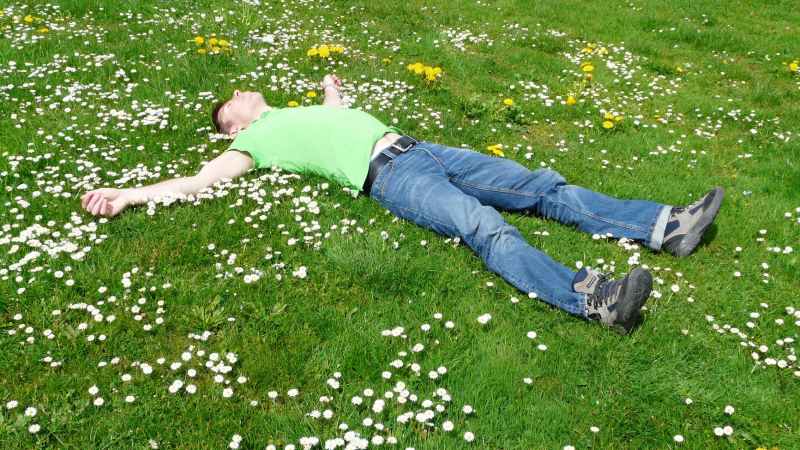

There is often so much emphasis on the active part of training that sometimes the rest and the recovery is cast aside. In order to achieve one’s potential during the active phase of training, one must be attentive to the physical and mental needs for the rest and recovery stage. Physical and mental performance can be enhanced with planned recovery time and self-care. We often schedule our workouts into out weekly plan, but neglect to plan for the recovery which is part of your fitness program. Sleep is the main recovery strategy and is essential for both the physiological adaptation as well as to the consolidation of skill development. It is important to training recovery because we release human growth hormone during Stage 3 and 4 that repairs the muscle that has been purposely damaged during training. Increased duration or quality of sleep can result in overall athletic performance for non-athletes and athletes. Often nutritional changes and a regular routine can provide highly beneficial results to getting a better sleep.
An increasingly common recovery technique is foam rolling – Studies show that proper foam rolling techniques can lessen decrements in muscle performance caused by DOMS (delayed onset muscle soreness). Acutely foam rolling can increase flexibility and reduce muscle soreness and does not hinder performance. It can work by improving overall circulation. (arterial function, vascular endothelial function), and improves parasympathetic activity. For most individuals foam rolling can have a positive effect to reduce muscle soreness, increase flexibility and range of motion before, during or after a workout. Facilitated stretching, assisted stretches, yoga and massage techniques are other ways to allow muscles to release tension and allow more overall mobility, flexibility, increased blood flow. These techniques also encourage mental relaxation, which is a component of the recovery process.
The body adapts best when it is given the best opportunity to do so

 Hypertension affects about 1 in 4 Canadian adults, and becomes more common as people age, resulting in many negative health implications. (June 2018) Recent studies are showing that the prevalence is increasing, and that the control rates for those with hypertension remain low. At any level of high blood pressure, the risks of cardiovascular disease are increased. Cardiovascular disease are also related to the presence of other risk factors. Evidence shows that endurance exercise training can reduce the rise in BP that can be expected in individuals with increased risk of developing hypertension. Long term studies show that endurance training can have an average reduction of 5 -7mmHg in both systolic and diastolic BP with Stage I or II hypertension.

 Fermented drink has remained popular over the years. Fermented food however has apparently less appeal, however it has recently made a comeback. Quite possibly it is due to the health benefits rather than the taste and convenience of these foods. There is more interest in these foods and the impact on gut, brain and overall health. Helpful bacteria are an important and essential part of our lives. Every culture in the world includes traditional dishes that rely on bacteria for their preparation. The diversity of bacteria in fermented foods has become more limited. Industrialization has resulted in standardized productions using less bacterial species and heat and often vinegar in fermentation process doesn’t offer the same benefit potential.



 Regenesis Fitness